

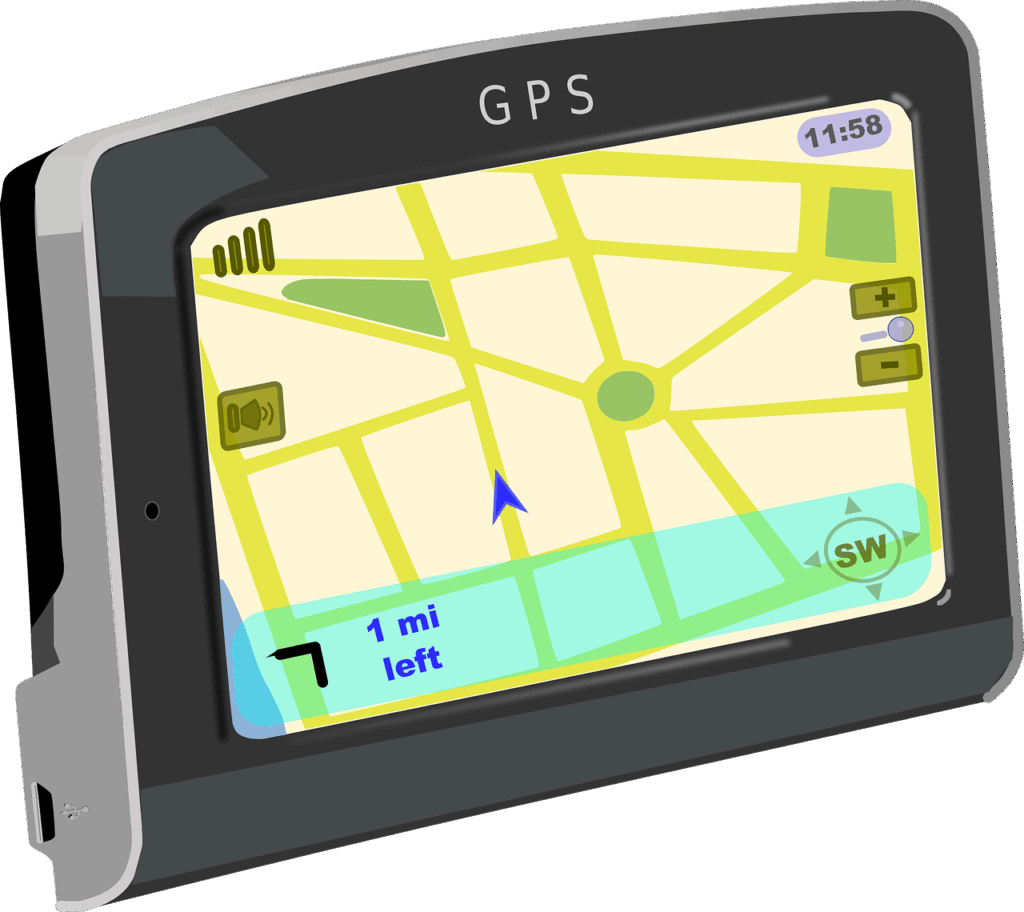
There’s nothing quite like the excitement of packing up, jumping into the car, and heading off on a long‑awaited bush adventure. The road ahead is calling, and the wilderness awaits. But before you grab your phone and type in your destination – stop right there.
While GPS navigation is incredibly useful in cities and towns, it can lead you seriously off course when you’re travelling to a remote game lodge. Many travellers have found themselves driving in circles, heading further away from their destination, or even stuck on roads that don’t appear on digital maps at all.
Why GPS Doesn’t Always Work in the Bush
Most game lodges are accessed via unnamed dirt roads and remote routes that don’t always appear on GPS systems. These roads are often unmarked and can change due to weather, maintenance, or natural wear — making them difficult for digital maps to recognise.
Even when the route is technically “on the map,” your GPS may still fail you due to:
- Spotty cellphone network coverage, which is common in remote wilderness areas. Relying on internet‑based navigation can leave you stranded without a working map.
- Battery drain, especially when navigating for long periods without a car charger.
- GPS devices losing power or malfunctioning, which is more common than we think especially in extreme temperatures.
- Landmarks not appearing on the GPS, even though many lodges use natural markers (like river crossings or gates) to direct travellers.
- Blocked or inaccurate GPS signals caused by trees, buildings, terrain, and even rare atmospheric conditions.
All of this can leave travellers confused, delayed, and increasingly frustrated instead of easing them into the serenity of the bush.
The Smarter Way to Navigate to a Game Lodge
The good news? Avoiding these problems is simple — it just requires a bit more preparation.
Always travel with written directions and a physical map.
Most lodges — and your BushBreaks consultant — can provide step‑by‑step navigation instructions that are far more reliable than GPS in remote areas. These directions often include specific guidance that GPS cannot offer, such as:
- Landmarks to look out for
- Gate names
- Which dirt road turn‑offs to take
- Approximate driving times between points
Having a physical map also helps give you a broader sense of your surroundings and scale, so you understand where you are in relation to key landmarks.
Think of GPS as a helpful assistant, not a sole guide. It works beautifully until it suddenly doesn’t — and when you’re in the middle of the bush with limited reception, that’s not a situation you want to find yourself in.
Preparation equals to a relaxed journey
Your bush getaway should start with peace of mind, not a stressful detour.
Before leaving, make sure you:
- Download or print the lodge’s written directions.
- Carry a physical map as backup.
- Keep your phone and GPS devices fully charged (and carry a car charger).
- Save BushBreaks’ contact details in case you need help en-route.
Preparation ensures you arrive safely, smoothly, and ready to enjoy the wilderness – not recover from getting lost in it.